I am using Headspace every day since I cashed in my WW rewards. I feel good during and after mediation, it is becoming a valuable part of my bedtime routine.
For me a good routine really helps form good habits. It’s something to consider, what routines are working? Why? What are not working? Why? Where would a routine be beneficial? How can I make a new routine stick. These are the kinds of questions that can get you on your way with crafting a healthy lifestyle that is personalized you and your needs.
I hope you had a good day on the journey. Keep going, because if you believe you can do this – you will.
When I am sad or under stress, I look for comfort foods. When I’m having a great time, I want to “eat, drink, and be merry”. When I’m bored I migrate to the kitchen and go on the hunt. Emotional eating sucks.
Breaking the habit of emotional eating began with an awareness that it existed. I know that sounds so obvious but the weird thing is, it wasn’t. Facing up to this reality, that I am an emotional eater, remained elusive for a long time. I don’t know why it just was, I think writing every day on this journey has helped me to understand this about myself.
Food that is worthy for me to eat 1sp
Now that I really see it for what it is, it can’t be unseen. I am grateful for this awakening but it’s still hard. I still feel the pull to turn to food when I’m not hungry. Looking back is as important as looking forward, and I am starting to understand my journey better.
It took a long time for me to distinguish the difference between external and internal hunger (Day 56 was the first time I wrote about it ). I have also paid a lot of attention to developing good habits. I started to write about ( Day 15 was the first day I wrote about that). The other part of this journey was to look for beauty around me so that I could see it in myself (Day 11 was the first mention of beauty).
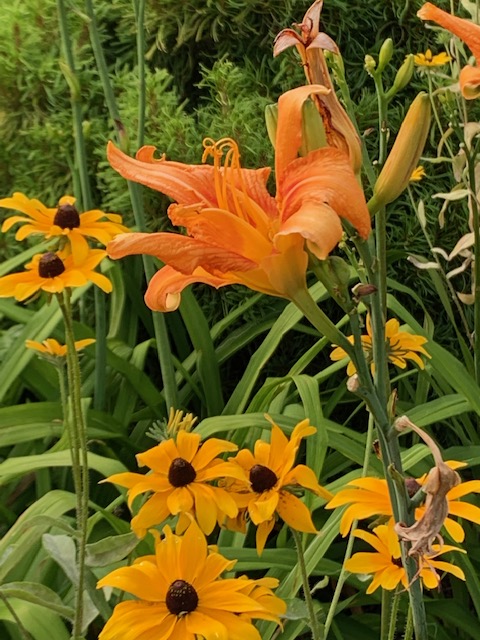
“What if, I spent my time looking for beauty instead of overlooking it? What would I find? I want to adopt a generous lens, one that looks for strengths, not deficits.”



 Getting to Goal